
No warning symptoms
Lifestyle measures and a clinician-guided, time-limited medication trial may be appropriate, followed by review.
Is it just occasional heartburn, or is your oesophagus trying to tell you something?
Occasional symptoms are common. Frequent reflux, disrupted sleep or symptoms continuing despite medication deserve a closer look.
Understand Your Reflux ↓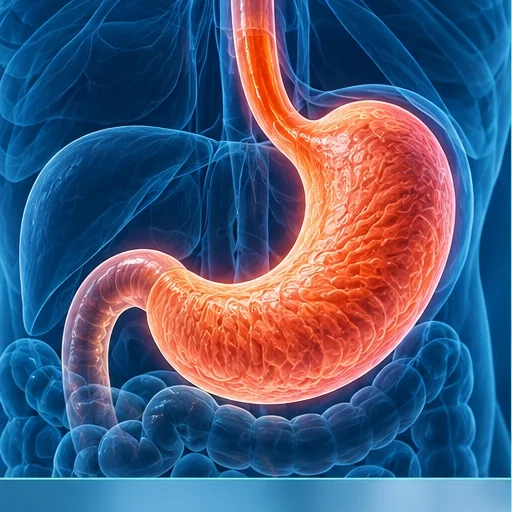
Four questions to explain possible next steps. This is not a diagnosis or a test of your cancer risk. Answers stay in this page and are not sent or saved.
Heartburn is a burning feeling behind the breastbone. Reflux happens when stomach contents flow back into the oesophagus (food pipe).
Symptoms may follow meals or occur when lying down. Repeated troublesome reflux may be called gastro-oesophageal reflux disease (GORD). Chest discomfort can have other causes: sudden chest pain with breathlessness, sweating or pain spreading to the arm or jaw needs emergency help.
Occasional symptoms are common, but frequent symptoms, disturbed sleep or warning symptoms deserve medical review.
Ask for an urgent GP appointment or contact NHS 111 for swallowing difficulty or food sticking. Unexplained weight loss, repeated vomiting or anaemia also need prompt assessment. Vomiting blood or black, tarry stools need urgent medical attention. This guide cannot rule out serious illness.
Daily PPIs are appropriate for some conditions. Their ongoing need and dose should be reviewed with your prescriber.
These medicines reduce acid production. Some people need long-term treatment, while others may be able to reduce treatment after review. Do not stop, increase or change prescribed medication based on this guide. Discuss benefits, potential risks and the lowest effective dose with your clinician.
Not everyone with heartburn needs a gastroscopy. Your clinician considers warning symptoms, previous treatment and your individual risk.
A gastroscopy examines the oesophagus, stomach and first part of the small bowel with a flexible camera. It can identify inflammation, narrowing or other changes and allow biopsies when needed. Benefits, risks, alternatives and preparation should be discussed before consent.
A normal gastroscopy does not necessarily exclude reflux. Further assessment may clarify what is causing persistent symptoms.
Possible explanations include reflux without visible inflammation, sensitivity to reflux or symptoms unrelated to reflux. Ambulatory reflux monitoring may help distinguish these patterns. Further tests depend on your history and previous findings; they are not automatically needed.
These tests answer different questions and are selected after clinical assessment.
pH impedance monitoring measures acid and non-acid reflux and its relationship to symptoms. Manometry measures the movement and pressure of the food pipe; it does not directly measure acid reflux. Testing may help with persistent symptoms, diagnostic uncertainty, swallowing problems or planning selected anti-reflux treatments. Your team decides whether testing is performed on or off medication; do not stop medication yourself.
No. Antacids neutralise acid already present; PPIs reduce how much acid your stomach produces.
Alginates form a protective barrier that can reduce reflux symptoms. These medicines have different roles and interactions. A pharmacist or clinician can advise on appropriate use.
H. pylori is a stomach infection associated with ulcers and indigestion. Reflux symptoms alone do not establish that you have this infection.
Your clinician may consider testing depending on your symptoms and history. Treatment for H. pylori and management of GORD are different decisions. Follow the testing service’s medication instructions.
Lifestyle measures and a clinician-guided, time-limited medication trial may be appropriate, followed by review.
Urgency and possible gastroscopy are determined by symptoms and clinical findings.
Selected patients may need gastroscopy and/or reflux monitoring. Manometry answers specific questions about swallowing and oesophageal movement.
Not every episode of heartburn needs an endoscopy. Not everyone with reflux needs lifelong medication. The right diagnosis helps guide the right treatment.
Discuss a consultation →Educational draft prepared 31 October 2026. Clinical review by GastroClinics is pending. No automated result replaces individual assessment.
NICE: GORD and dyspepsia · NHS: Heartburn and reflux · NHS: Swallowing problems · NHS: Vomiting blood · AGA: Personalised reflux assessment