
Is it really IBS?
Understanding your symptoms and looking beyond the diagnosis.
Bloating, abdominal pain, diarrhoea or constipation? Been told you have IBS, but your symptoms are not improving?
Our approach is to establish a confident diagnosis and offer personalised care, with targeted investigations when symptoms or warning signs justify them.
Explore your IBS questions ↓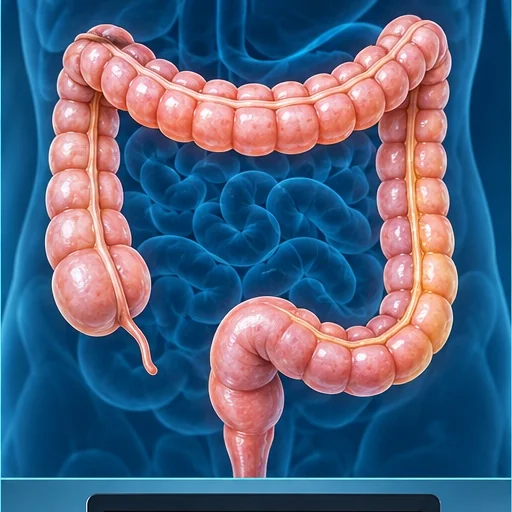
Irritable Bowel Syndrome (IBS) is one of the most common digestive conditions. Although IBS does not damage the bowel or increase the risk of bowel cancer, its symptoms can significantly affect everyday life.
At GastroClinics, we believe that a diagnosis of IBS should be the beginning of understanding your symptoms, not the end of the investigation when symptoms remain unexplained.
Some conditions, including bile acid diarrhoea, coeliac disease, lactose intolerance, pancreatic exocrine insufficiency and small intestinal bacterial overgrowth (SIBO), can cause symptoms that resemble IBS.
Our approach is to establish a confident diagnosis, identify conditions that may have been overlooked and offer personalised treatment.
IBS symptoms, assessment and treatment
What is Irritable Bowel Syndrome?
IBS is a disorder of gut–brain interaction, affecting how the bowel functions and how the nervous system responds to normal digestive activity.
Common symptoms include:
- Abdominal pain or cramps, often associated with passing stools
- Persistent bloating, excess wind or abdominal distension
- Diarrhoea, urgency or frequent bowel movements
- Constipation, straining or incomplete bowel emptying
- Alternating diarrhoea and constipation
- Mucus in the stool
IBS is generally classified into four types.
IBS-D
Diarrhoea-predominant IBS
Frequent loose stools, urgency and abdominal discomfort.
IBS-C
Constipation-predominant IBS
Hard stools, straining, bloating and abdominal discomfort.
IBS-M
Mixed-type IBS
Alternating episodes of diarrhoea and constipation.
IBS-U
Unclassified IBS
IBS symptoms without a consistent stool pattern.
What are the minimum tests needed to diagnose IBS?
IBS is usually diagnosed from a characteristic symptom pattern, clinical examination and limited investigations. It is not necessary to perform a colonoscopy on every patient.
For adults with suspected IBS, the usual initial investigations include:
| Investigation | Why is it important? |
|---|---|
| Full blood count (FBC) | Checks for anaemia |
| CRP or ESR | Looks for evidence of inflammation |
| Coeliac serology (tTG-IgA and total IgA) | Screens for coeliac disease |
| Faecal calprotectin (selected patients) | May help distinguish IBS from inflammatory bowel disease, particularly with diarrhoea; use depends on age, symptoms and local guidance |
Thyroid function, ferritin, stool infection testing and other investigations may be considered according to symptoms, history and examination.
A normal blood test does not, by itself, establish a diagnosis of IBS. A confident diagnosis also requires assessment of symptoms and consideration of other possible causes.
Why might IBS symptoms continue despite normal tests?
This is where a more detailed gastroenterology assessment may be helpful.
1. Bile acid diarrhoea (bile acid malabsorption)
An important and sometimes overlooked cause of chronic watery diarrhoea. It may resemble IBS-D, particularly when there is urgency after meals.
Specialist investigations may include a SeHCAT scan or alternative bile acid testing where available.
2. Pancreatic exocrine insufficiency
Reduced pancreatic enzyme production can cause loose stools, bloating, greasy stools and weight loss. It can sometimes be mistaken for IBS.
A faecal elastase test may be useful when clinically indicated. Chronic pancreatitis is a possible underlying cause, but is not synonymous with pancreatic insufficiency.
3. Small intestinal bacterial overgrowth (SIBO)
SIBO may cause bloating, excessive gas, diarrhoea and abdominal discomfort.
Routine breath testing is not recommended for typical IBS. If another disorder is suspected, a specialist will select an appropriate assessment; breath tests have important accuracy limitations.
4. Lactose intolerance and carbohydrate malabsorption
Symptoms may occur after milk, dairy products or other fermentable carbohydrates.
A dietary assessment, lactose elimination and reintroduction, or breath testing may help establish the diagnosis.
An important clinical distinction: Research suggests that approximately one-quarter to one-third of patients labelled as having IBS-D may have bile acid diarrhoea, depending on the population and diagnostic criteria. This figure should not be applied to pancreatic disease, SIBO or all IBS patients collectively.
The aim of further investigation is not to test everyone for every possible condition, but to identify patients whose symptoms justify targeted assessment.
What is the best diet for IBS?
There is no single diet that works for every patient. The best approach depends on whether diarrhoea, constipation, pain or bloating is the predominant symptom.
Start with simple dietary changes
Eat regular meals, avoid large fatty meals, drink adequate water and identify individual food triggers. Soluble fibre, including oats and ispaghula husk, may improve symptoms.
Consider a low-FODMAP diet
A low-FODMAP diet can help reduce bloating, abdominal pain and altered bowel habits. It is best undertaken with an appropriately trained dietitian.
What foods should I avoid with IBS?
Some patients find that onions, garlic, wheat-based products, certain fruits, milk, beans, fizzy drinks and artificial sweeteners worsen symptoms. However, these foods should not automatically be excluded from everyone’s diet.
The low-FODMAP approach usually involves a short restriction phase of approximately 2–6 weeks, followed by structured reintroduction and a personalised long-term diet.
The objective is to eat as widely as possible while controlling symptoms, not to remain on a restrictive diet indefinitely.
What medications are recommended for IBS?
Treatment is selected according to the patient’s main symptoms.
| Main symptom | Common treatment options |
|---|---|
| Abdominal cramps | Mebeverine, hyoscine butylbromide, peppermint oil |
| Diarrhoea | Loperamide |
| Constipation | Ispaghula husk, macrogol |
| Persistent IBS-C | Linaclotide in selected patients |
| Persistent abdominal pain | Low-dose amitriptyline or other specialist-directed gut–brain neuromodulators |
| Bloating | Dietary adjustments, soluble fibre review and selected symptom-directed therapies |
Some patients benefit from gut-directed cognitive behavioural therapy or hypnotherapy, particularly when symptoms persist despite initial treatment.
Medication should be reviewed for contraindications, interactions, side effects and individual suitability.
Are probiotics useful for IBS?
Probiotics contain live microorganisms that may influence the intestinal microbiome.
Some studies suggest that certain probiotics improve bloating, abdominal pain or overall IBS symptoms. However, the research is inconsistent, and there is insufficient evidence to recommend one specific probiotic strain for all patients.
Patients who wish to try a probiotic can consider a trial for 4–12 weeks, monitoring symptoms and discontinuing it if there is no meaningful improvement.
Probiotics are not a cure for IBS, and more expensive products are not necessarily more effective.
Frequently asked questions about IBS
IBS can cause significant cramps. New, severe or progressive pain needs medical assessment.
Can IBS cause back pain?
Some people report backache, but new or persistent back pain should not automatically be attributed to IBS.
Can IBS cause diarrhoea every morning?
IBS can cause morning urgency or diarrhoea. A persistent pattern still needs assessment, especially if it is new or wakes you at night.
Can IBS cause mucus in the stool?
Mucus can occur with IBS. Blood in the stool needs medical review.
Can IBS cause weight loss?
Unintentional weight loss is a warning symptom and should not be assumed to be IBS.
Can IBS turn into bowel cancer?
IBS does not turn into bowel cancer. New warning symptoms still need assessment.
Do I need a colonoscopy for IBS?
Not routinely for typical IBS. Warning symptoms, atypical features or other risk factors may justify further investigation.
Can IBS be diagnosed with normal blood tests?
Yes, but a normal result alone does not diagnose IBS. Symptoms, examination and appropriate exclusion of other conditions matter.
Can IBS be cured permanently?
There is no single guaranteed cure. Many people achieve better symptom control with a personalised plan.
Is IBS caused by stress or anxiety?
Stress can influence gut–brain signalling and worsen symptoms. IBS is real and is not simply anxiety.
Is IBS the same as inflammatory bowel disease?
No. IBS affects gut function; inflammatory bowel disease includes Crohn’s disease and ulcerative colitis and requires different assessment and treatment.
Should I be tested for SIBO?
Testing is not routine for typical IBS. Discuss whether your symptoms or risk factors suggest another condition.
Can IBS start after food poisoning?
Some people develop IBS after a gut infection; this is called post-infectious IBS.
What if my IBS medication is not working?
Review the diagnosis, dominant symptoms, diet and treatment with your clinician. Do not change prescribed medicines on the basis of this page.
Can I have IBS and another digestive condition?
Yes. A change in symptoms may warrant reassessment rather than being attributed automatically to IBS.
When should I see a gastroenterologist?
Seek medical assessment if you experience rectal bleeding, unexplained weight loss, iron-deficiency anaemia, a new persistent change in bowel habit, a family history suggesting increased colorectal cancer risk or symptoms that wake you from sleep.
Urgent assessment is appropriate for severe or rapidly worsening abdominal pain, significant bleeding or signs of bowel obstruction.
Why choose GastroClinics for IBS?
Beyond IBS. Understanding the real cause of your symptoms.
At GastroClinics, our philosophy is straightforward: a normal initial investigation does not mean that persistent symptoms should be ignored.
Consultant-led gastroenterology assessment
A detailed clinical review to distinguish typical IBS from symptoms that may require further investigation.
Looking beyond routine blood tests
Where clinically appropriate, targeted assessment for bile acid diarrhoea, pancreatic insufficiency, microscopic colitis, lactose intolerance and SIBO.
Advanced gastrointestinal investigations
Access to specialist assessment and appropriate referral pathways for colonoscopy, endoscopy and gastrointestinal physiology investigations.
Personalised long-term management
Evidence-based treatment focused on your predominant symptoms, dietary triggers, lifestyle and response to previous therapies.
Specialist care with Dr Chandra Puli
Dr Chandra Puli, Consultant Gastroenterologist, has extensive clinical experience in digestive disorders, gastrointestinal endoscopy and the assessment of complex gastrointestinal symptoms.
His approach combines careful clinical assessment, appropriate investigations and individualised treatment, with particular attention to patients who continue to experience symptoms despite previous investigations or treatment.
Still struggling with IBS symptoms?
If your blood tests are normal but you continue to experience abdominal pain, bloating, diarrhoea or constipation, a specialist review may help clarify your diagnosis and treatment options.
GastroClinics London — Specialist Gastroenterology Care
Enquire About an IBS Consultation
Based on content supplied to GastroClinics. Medicines and investigations listed are examples for discussion with your clinician, not individual treatment advice. Availability of specialist tests must be confirmed. Do not start or change medicines without appropriate advice.
NICE: IBS guidance · BSG: IBS guideline · NHS: DiagnosisStill struggling with IBS symptoms?
A specialist review may help clarify your diagnosis and treatment options.
Enquire about an IBS consultation →